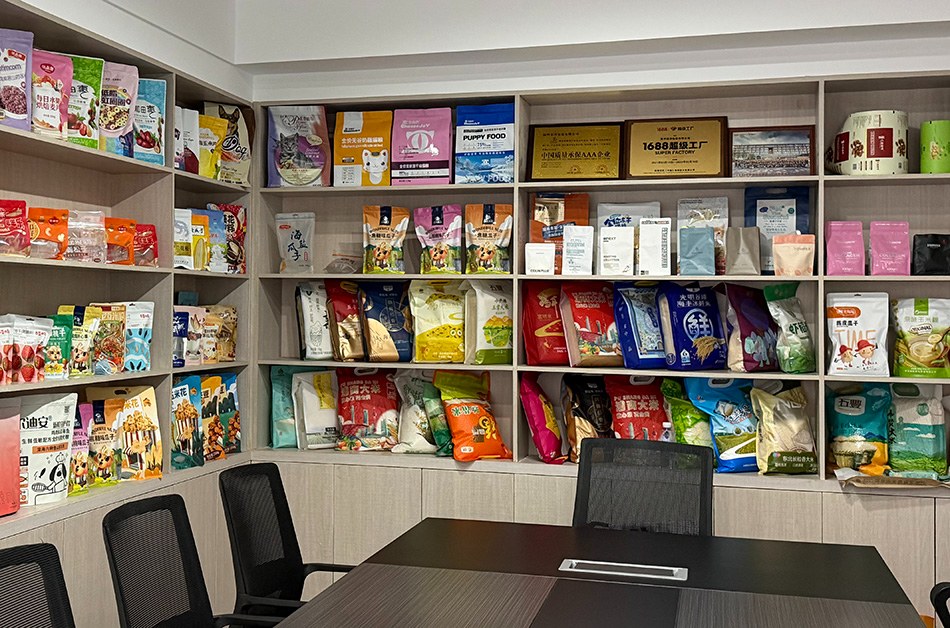
Dust-Free Workshop Standard for Food Grade Flexible Packaging Production
October 01, 2026
The dust-free workshop standard for food grade flexible packaging production is a mandatory hygiene and environmental specification for manufacturing food plastic films, composite bags, vacuum packaging bags, and retort pouches. It strictly complies with national food safety standards includingGB 14881 General Hygiene Specification for Food Production and GB 50687 Technical Code for Building of Food Industry Clean Rooms, aiming to eliminate dust particles, microbial contamination, and cross-contamination risks throughout the flexible packaging production process.
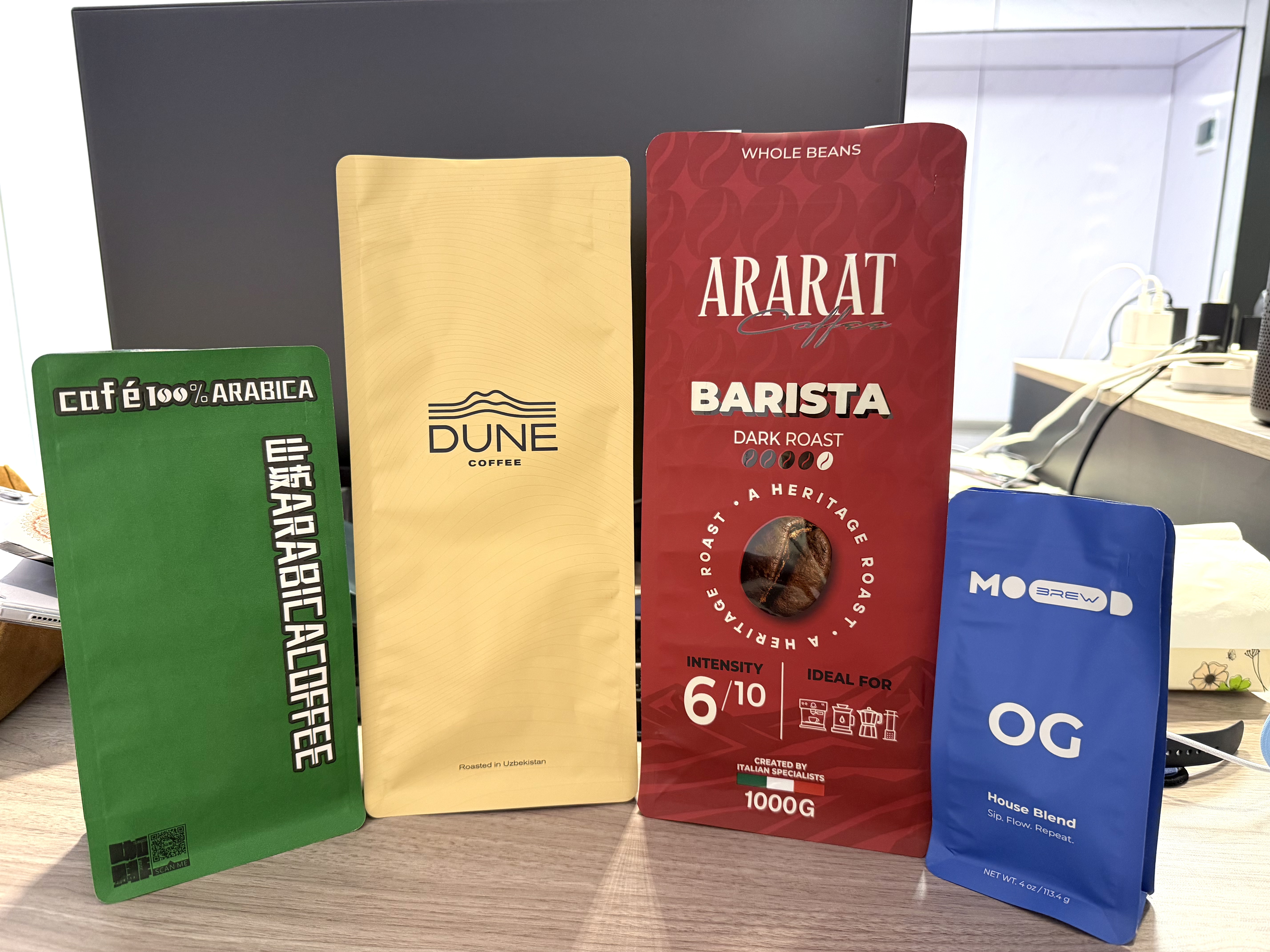
Food grade flexible packaging directly contacts food products, so the cleanliness, temperature, humidity, pressure difference, and personnel management of the production workshop directly determine the safety and qualification rate of packaging products. Professional food flexible packaging dust-free workshops are classified into standardized clean areas and quasi-clean areas, with strict hierarchical environmental control to meet the production requirements of food inner packaging, sterile packaging, and high-barrier flexible packaging materials.
Key Technical Standards for Food Grade Flexible Packaging Dust-Free Workshops
First, cleanliness grade control. Most food flexible packaging production workshops adopt Class III clean room standards specified in GB 50687, with controllable airborne dust particles and microbial indicators. The air change rate is maintained above 10 times per hour, ensuring continuous air purification and avoiding particle accumulation on packaging materials during printing, compounding, slitting, and bag making processes.
Second, environmental parameter specifications. The pressure difference between clean areas and non-clean areas is no less than 10Pa to prevent unclean air from flowing backward. The workshop temperature and humidity are adjusted according to production needs to prevent moisture, mildew, and static electricity, which effectively avoids material deformation and microbial growth on flexible packaging films.
Third, site and facility management. The workshop floor, wall, and ceiling adopt dust-proof, anti-corrosion, and easy-to-clean materials without dead corners. Independent material storage areas are set up to separate raw materials, semi-finished products, and finished products. Cleaning agents, disinfectants, and other hazardous materials are stored separately to prevent cross-contamination with food packaging materials. Meanwhile, pest control facilities such as anti-rat baffles and fixed screen windows are fully equipped to block external biological pollution.
Fourth, personnel and process management. All staff must take dust removal and sterilization measures through air showers before entering the workshop. A regular air cleanliness and microbial monitoring plan is established, with complete monitoring records retained. The entire production process of feeding, printing, compounding, and finished product packaging is carried out in a closed dust-free environment to ensure the safety and sanitation of food grade flexible packaging.
Compliance with the standardized dust-free workshop standard is the basic prerequisite for food flexible packaging manufacturers to obtain food production licenses. It effectively ensures that flexible packaging products meet food safety contact standards, adapts to the production needs of snack food, dairy products, frozen food, and sterilized food, and provides reliable safety guarantees for downstream food processing industries.